Designing A Kitchen For Wheelchair Accessibility
Key Takeaway:
A wheelchair-accessible kitchen should not be designed from a generic checklist. It needs to be designed around the person using it, their wheelchair, their reach, and what they want to do independently each day. The biggest priorities are usable aisle space, reachable storage, practical drawer access, suitable bench/cooktop heights, and kitchen zones that actually support how the client wants to cook, move, clean and access food.
–
Designing a kitchen for wheelchair accessibility is not just about making a kitchen bigger or allowing a bit more space around the island.
It needs to be designed around the specific person who will be using it, the type of wheelchair they use, what they can comfortably reach, and what they want to be able to do in the kitchen day to day.
For some people, the goal might be to cook full meals independently. For others, it might be being able to move around the kitchen safely, get a drink, access the pantry, or make something simple without needing to ask for help.
So there really is not one formula for a wheelchair-accessible kitchen. It is very individual, and the design needs to be tailored to the client and how they actually want to use the space.
Start With How The Person Uses Their Kitchen
The first part of designing a kitchen for wheelchair accessibility is understanding how the client currently uses their kitchen, what is frustrating them, and what they want to achieve from the renovation.
It is not enough to just design what you think a wheelchair-accessible kitchen should look like. You need to have a proper brief with the client and talk through what their capabilities are, what type of wheelchair they use, and what they want out of the kitchen.
Some clients might want to be able to cook full meals. Some might not really cook at all, but they still want to be able to move around the kitchen, get themselves a drink, or access food storage without help.
That is why the conversation at the start is so important. The design should be based on the person, not just a generic accessibility checklist.
Allow Enough Space To Move Around Properly
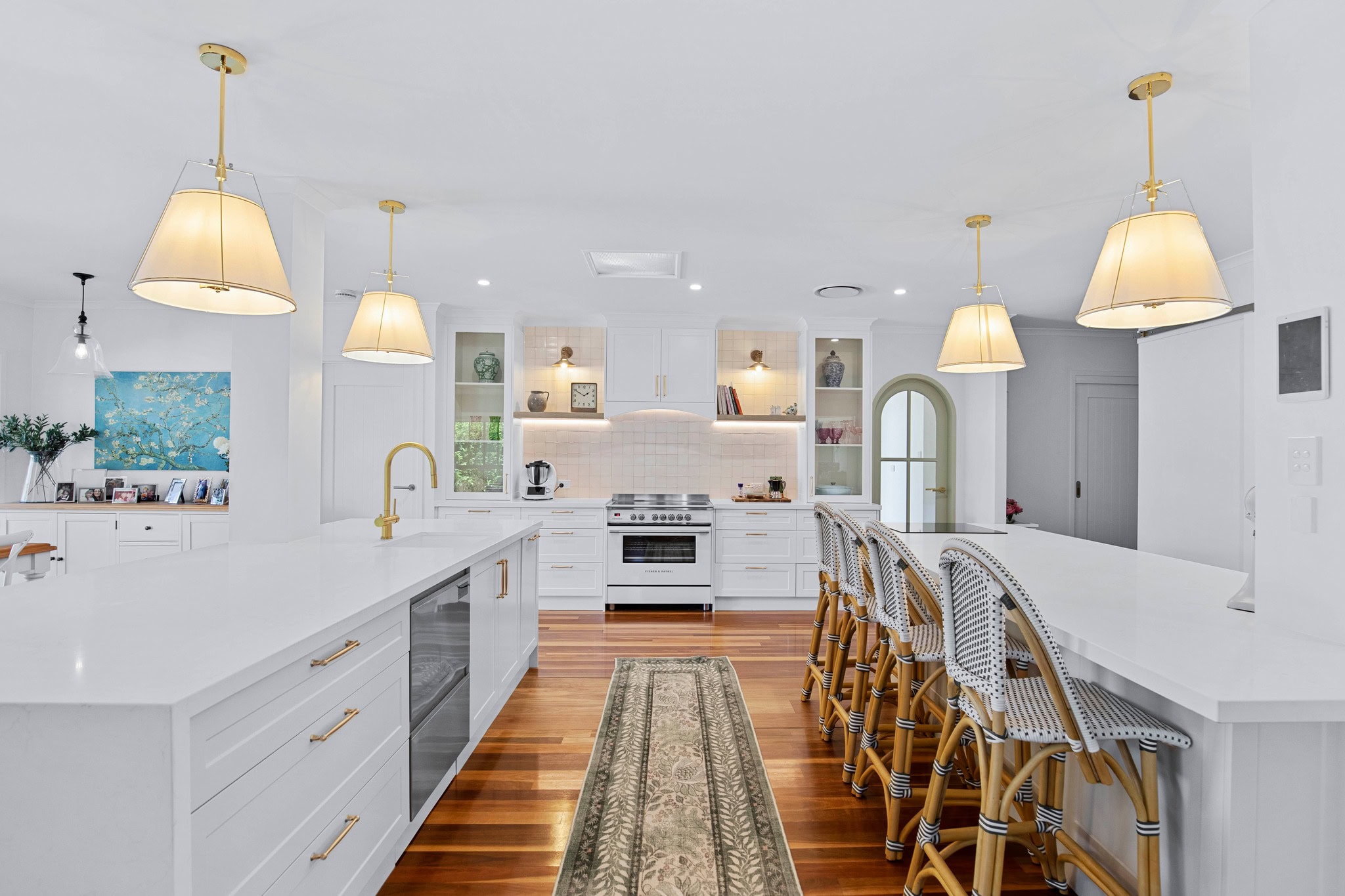
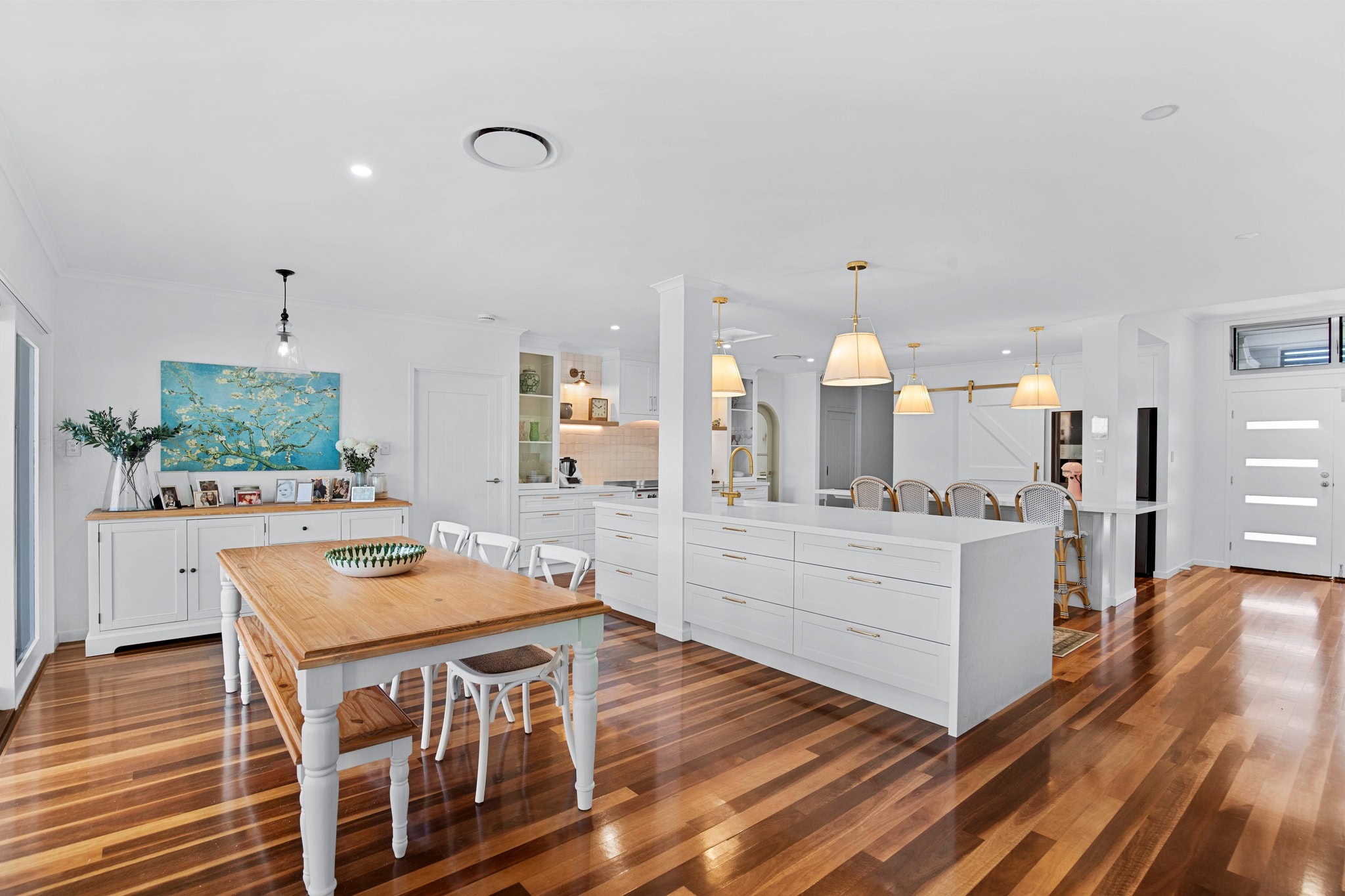
One of the biggest issues in a standard kitchen is that there often is not enough space for someone using a wheelchair to move around comfortably.
As a bare minimum, you would generally want at least a metre through the walkways, but even that needs to be tailored to the client and what type of wheelchair they use.
It is not just about making sure they can move past a bench or an island. They need to be able to get into the kitchen, turn around, access the different areas, and come back out again.
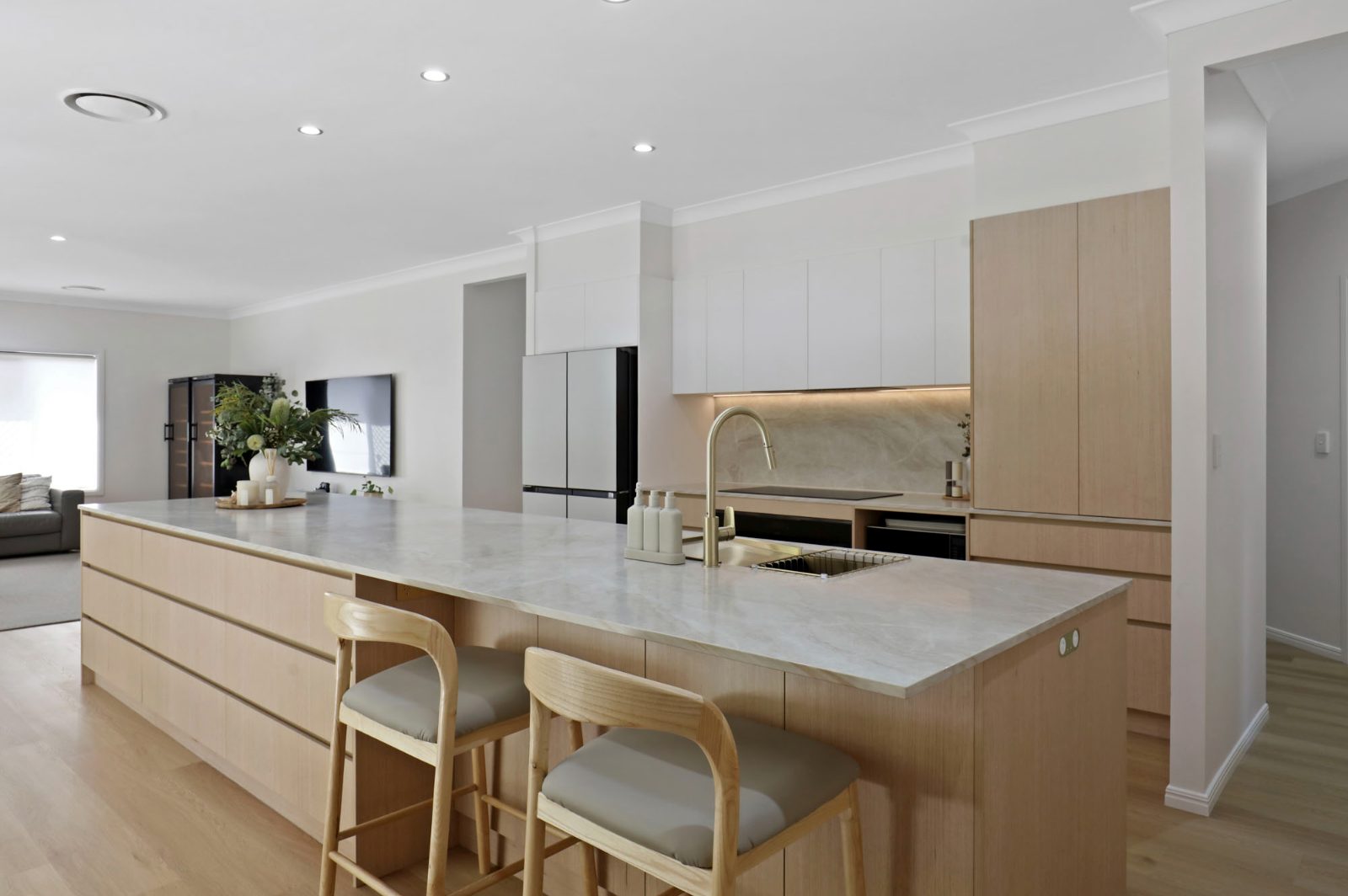
This is especially important if the kitchen has an island or peninsula. A peninsula can sometimes create a bit of a dead-end space, so you need to make sure the person can actually get into that area, turn around, and use the kitchen properly.
Make Sure They Can Get Close Enough To The Cooktop
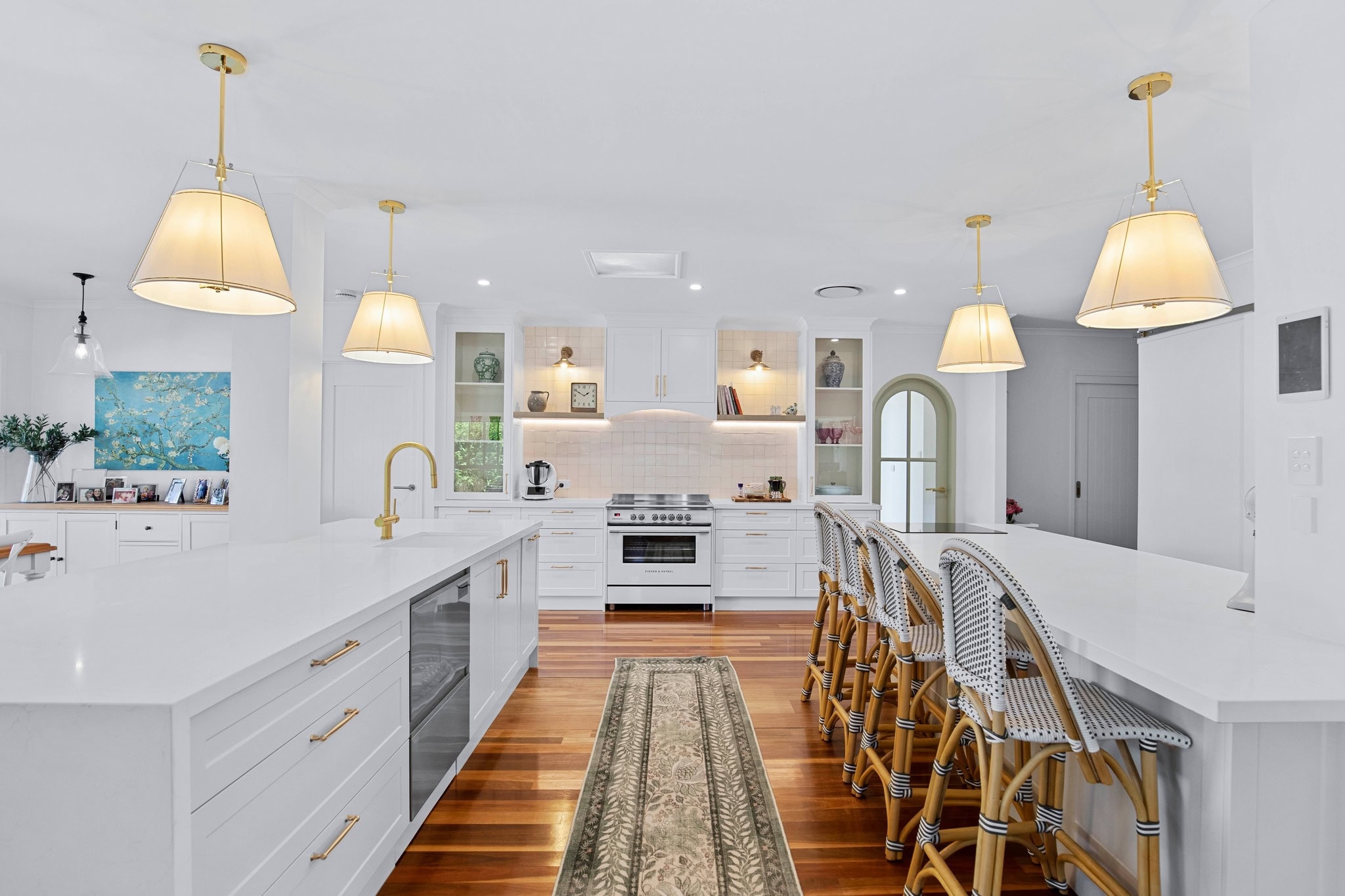
If the client wants to be able to cook, the cooking zone needs a lot of thought.
In a standard kitchen, the cooktop is often designed for someone standing up and leaning slightly over the bench. But leaning over is not an option for everyone using a wheelchair.
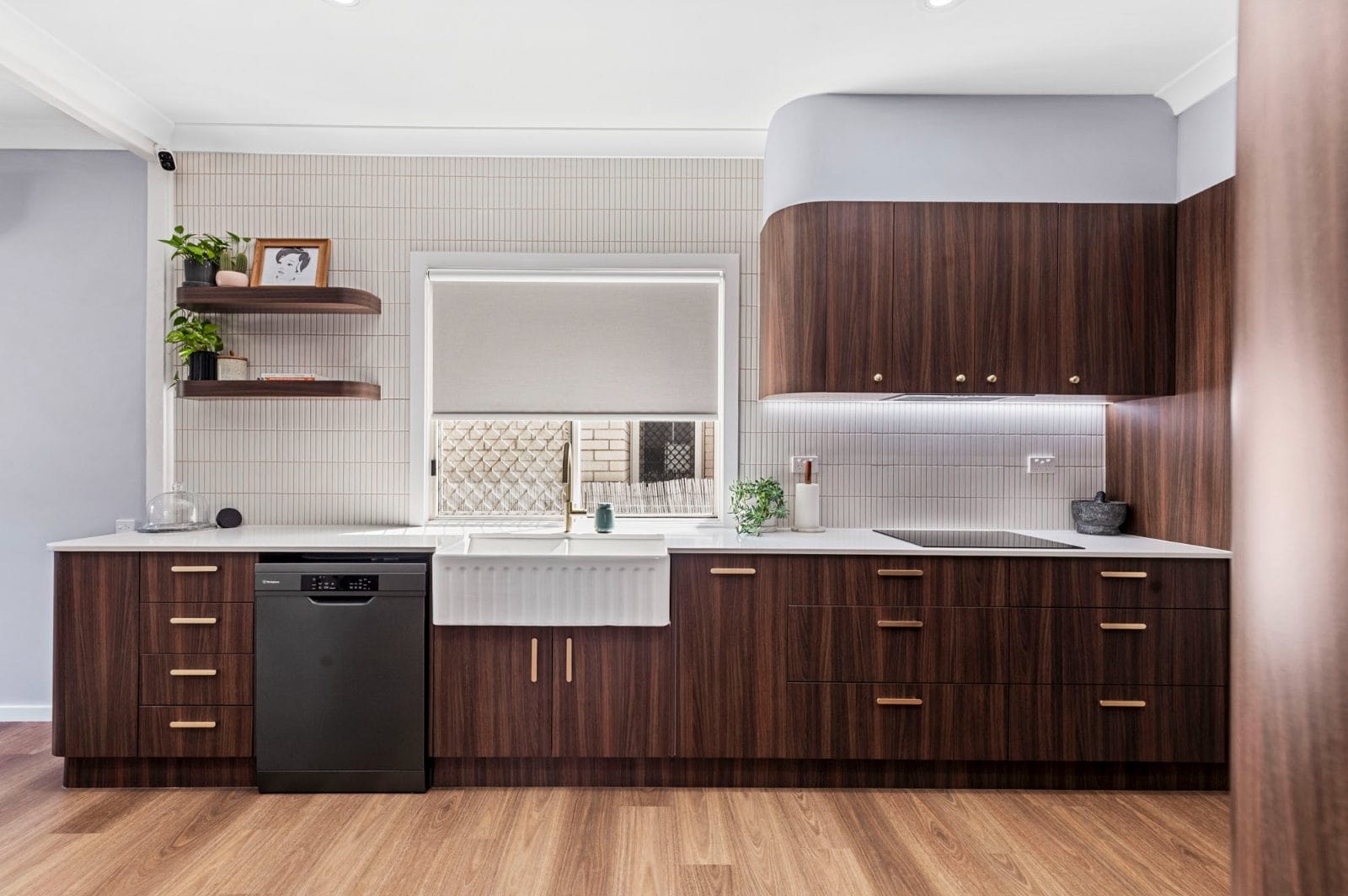
That is why it can be really important to create adequate room underneath the cooktop or work surface, so the person can tuck in underneath and get close enough to actually use it.
They need to be able to stir a frypan, reach the controls, move things safely, and use the cooktop without having to stretch or lean too far forward.
For someone who wants to cook independently, that detail can make a huge difference.
Use Drawers Instead Of Standard Cupboards
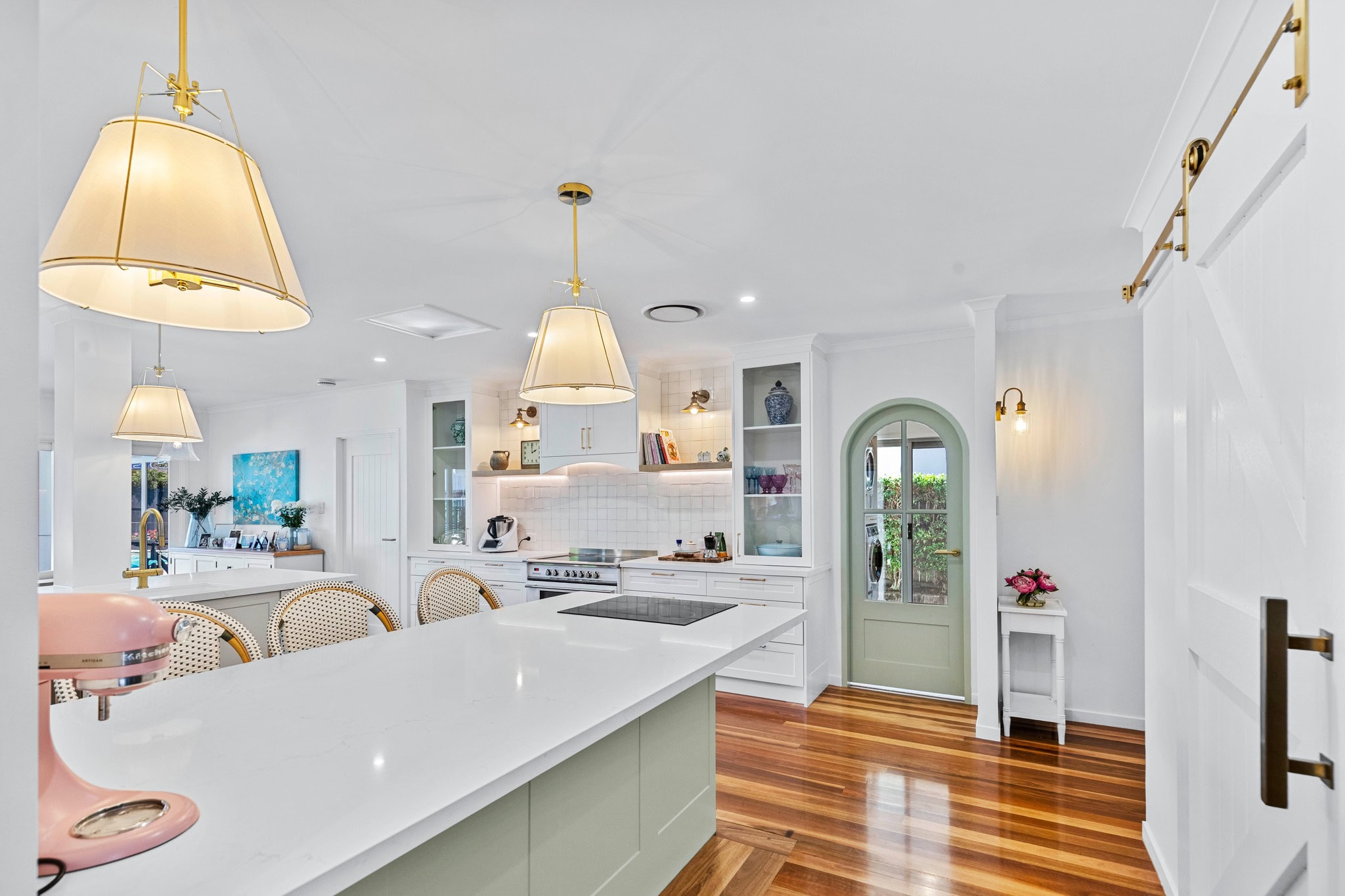
Drawers can make a big difference in a wheelchair-accessible kitchen.
With a standard cupboard, the person usually has to open the door and then lean into the cupboard to get something out. For someone using a wheelchair, that can be really difficult, and in some cases it may not be possible.
With drawers, they can move to the side of the drawer bank, pull the drawer out, and reach what they need more easily.
Essentially, the items come to them, instead of them having to lean over and get to the item.
That can work really well for everyday items like pots and pans, plates, bowls, containers, utensils, pantry items, and cooking equipment. It also helps make the kitchen feel more usable because the person is not constantly needing help to access things that are stored too far back in a cupboard.
Get The Heights Right
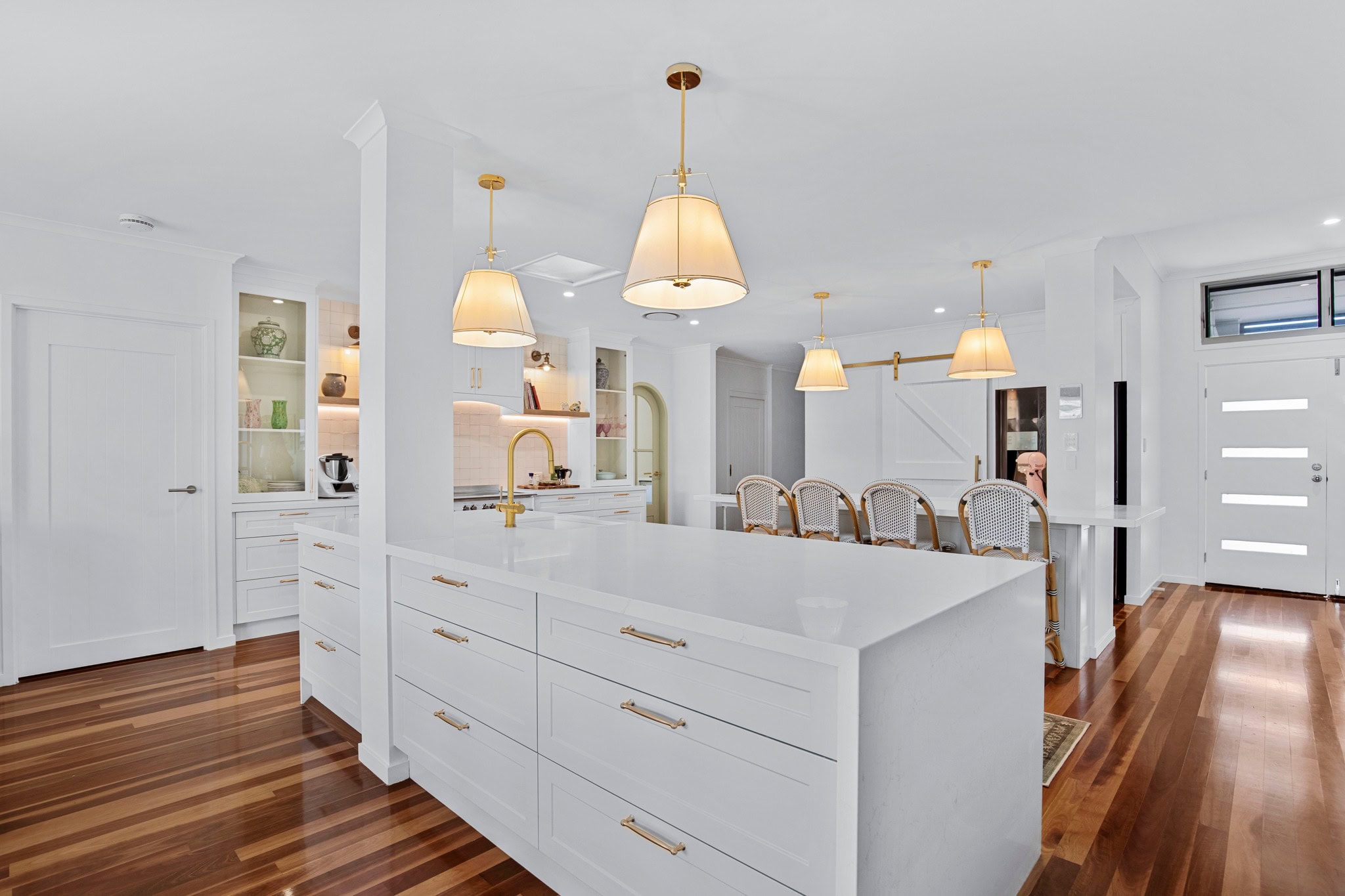
Height is another big part of designing a kitchen for wheelchair accessibility.
Depending on the type of wheelchair the client uses, the cabinetry height, cooktop height, benchtop height, oven height, and storage height may all need to be adjusted.
Sometimes the oven might need to be lower than a standard wall oven. Sometimes it might need to be higher. It depends on what is easier and safer for that person to access.
This is where custom design really matters, because you are not just working to standard kitchen heights and hoping they suit. You are working out what height actually makes sense for that client.
The goal is to make the important parts of the kitchen easier to reach and easier to use, without forcing the person to stretch, lean, or work around a layout that was not designed for them.
Think Carefully About The Sink And Dishwasher Area
The sink area can be a bit more restrictive because of the plumbing.
Unlike some other areas of the kitchen, you usually need cabinetry and plumbing underneath the sink, which can limit how much open space you can create below it.
But that does not mean the sink area cannot be improved.
If the client specifically wants to be able to do the washing up or move in closer to the sink, the designer can speak with the plumber and look at whether the plumbing can be moved towards the back of the cupboard. That may help create more usable space underneath or make the area easier to access.
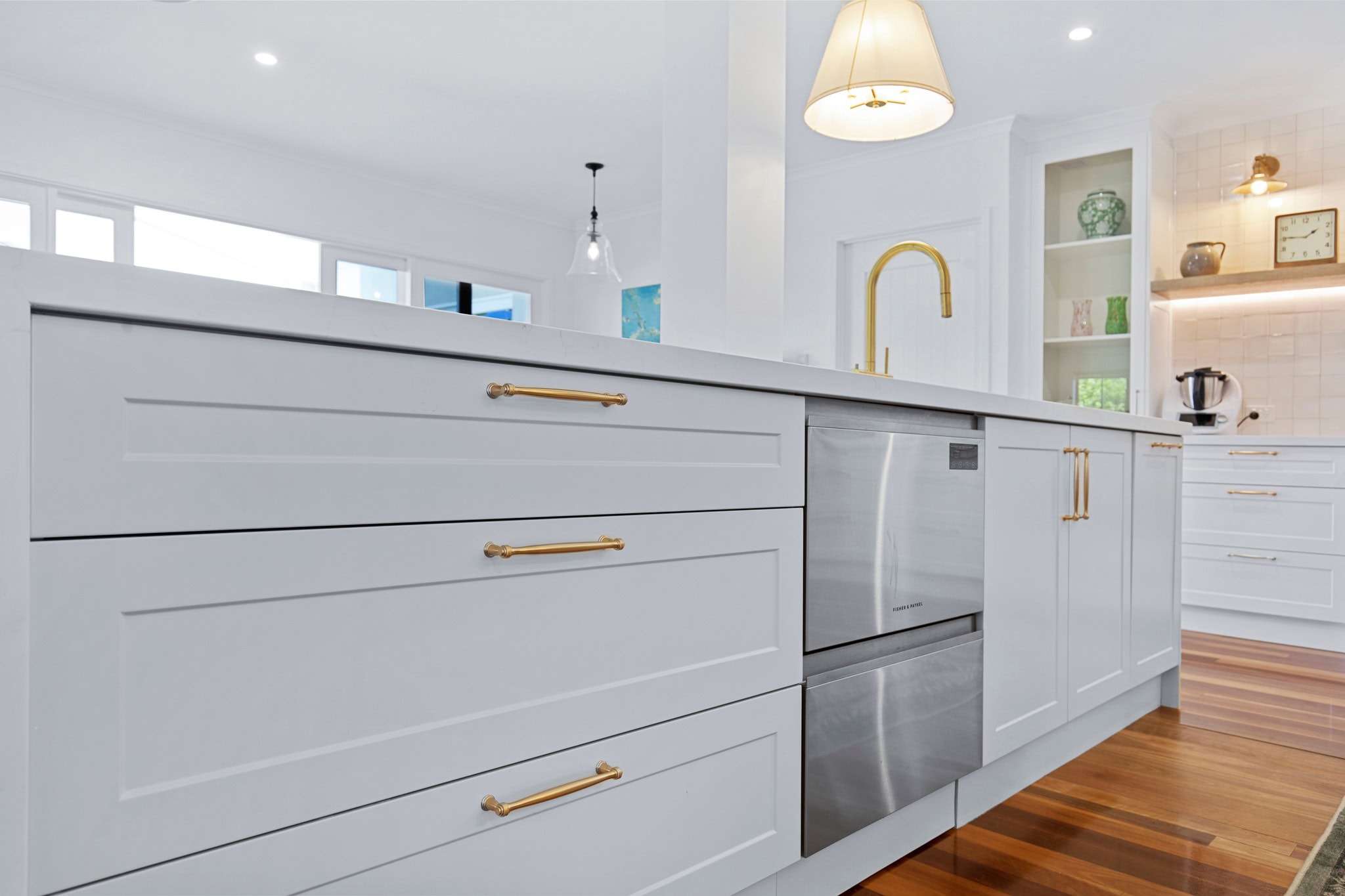
The dishwasher choice can also make a difference. A dish drawer can be a good option because, again, the space comes out towards the person rather than the person needing to lean into the appliance.
It is the same principle as using drawers instead of cupboards. The less the client has to lean forward and reach into a space, the easier the kitchen will be to use.
Design Each Zone Around The Client
A wheelchair-accessible kitchen needs thought across all of the main kitchen zones.
The cooking zone needs to work if the client wants to cook. The food preparation zone needs to provide a surface they can actually access. The food storage zone needs to make the pantry and fridge easier to use. The wet area and cleaning zone need to be practical, even though they may have some restrictions because of plumbing.
It is not enough for one part of the kitchen to be accessible if the rest of the space is still difficult to use.
For example, if the client can reach the cooktop but cannot access the pantry, they still may not be able to cook independently. If they can move around the island but cannot open or reach into the cupboards, the kitchen still is not functioning properly for them.
Each zone needs to be considered based on what the client wants to be able to do.
Avoid Designing A Generic “Accessible Kitchen”
One of the biggest mistakes people can make is trying to design a wheelchair-accessible kitchen without properly understanding the person who will be using it.
Some wheelchair users have more flexibility and movement than others. Some can lean or reach more easily. Some need a lot more room around them. Some want to cook every day, while others only need basic access to food, drinks, and storage.
So if you just design a generic accessible kitchen, without having that full brief with the client, it may not actually solve the problems that matter to them.
The kitchen might look accessible on paper, but it may not suit their wheelchair, their reach, or the way they actually use the space.
That is why the design really needs to be tailored to the person.
Why Custom Design Makes Such A Difference
Custom design can make the world of difference in this type of kitchen.
With standard sizing, flat pack cabinetry, or a builder’s kitchen, you are often trying to rearrange standard cabinets and make them work. But for wheelchair accessibility, small details can make a big difference.
Custom cabinetry allows the kitchen to be made to the specific size and specification the client needs.
There are still material restrictions. For example, stone cannot overhang further than 300mm without support. But aside from those sorts of constraints, custom design gives you a lot more flexibility to make the kitchen work properly for that person.
It means the cooktop area, drawers, oven, pantry, fridge access, walkway space, and storage can all be thought through in a way that suits the client, rather than trying to make the client fit into a standard kitchen layout.
A Practical Example: Access To The Pantry And Cooktop
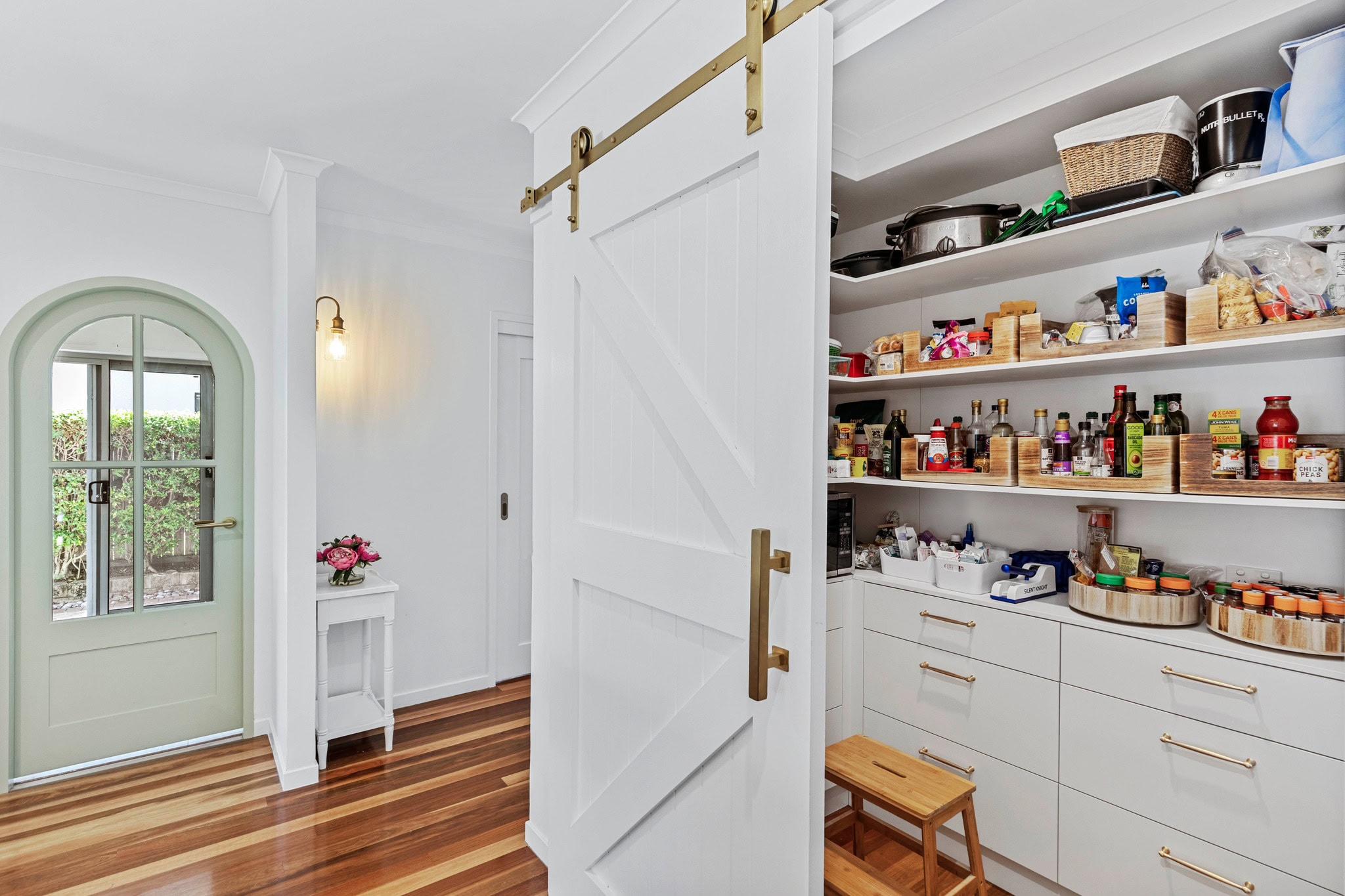
In one of our recent projects, the main things that made a difference were access to the food storage area and access to the cooktop.
For Millie, being able to get to the walk-in pantry and access ingredients independently was really important. She wanted to be able to get what she needed without having to ask for help.
She also wanted to be able to access the cooktop, because cooking was something she wanted to be able to do herself.
So those parts of the kitchen were designed around that goal. It was not just about making the kitchen generally accessible. It was about understanding what independence looked like for her and then designing the kitchen around that.
What To Think About Before Renovating For Wheelchair Accessibility
Before renovating a kitchen for wheelchair accessibility, the most important thing to think about is what currently frustrates you about the kitchen and what you want to be able to achieve in the new space.
Do you want to be able to cook full meals? Do you want to be able to get a roast out of the oven safely? Do you want to access the pantry without help? Do you want to use the sink or dishwasher more easily? Do you simply want to be able to move through the kitchen without feeling restricted?
Once those goals are clear, the kitchen can be designed around them.
A well-designed wheelchair-accessible kitchen should make everyday tasks easier, safer, and more comfortable. Most importantly, it should give the person using it more independence in the way they want to use their own home.
Key Points
- There is no one formula for a wheelchair-accessible kitchen. The design needs to be tailored to the client, their wheelchair and how they want to use the space.
- The first step is understanding what currently frustrates the client about their kitchen and what they want to achieve from the renovation.
- Walkways need enough space for the person to move properly, turn around, access key areas and come back out again, not just squeeze past a bench or island.
- Cooktops and preparation areas may need room underneath so the person can tuck in closer and use the surface without leaning too far forward.
- Drawers can be more practical than standard cupboards because the items come out towards the person, rather than requiring them to lean into the cabinet.
- Heights should be planned around the individual, including benchtops, cooktops, ovens, cabinetry and storage.
- Sink and dishwasher areas need careful planning because plumbing can create restrictions, but options like dish drawers and adjusted plumbing may improve access.
- Every kitchen zone needs thought, including cooking, food preparation, food storage, fridge access, pantry access, wet areas and cleaning zones.
- A generic “accessible kitchen” may not work if it does not consider the client’s specific capabilities, movement and goals.
- Custom kitchen design can make a major difference because the layout, cabinetry, storage and appliance placement can be made to suit the person, rather than forcing them to work around standard kitchen sizing.
How Modern Kitchens Northside Can Help in Brisbane
At Modern Kitchens Northside, we understand that a wheelchair-accessible kitchen is not about following one standard formula. It needs to be designed around the person who will be using it every day.
We take the time to talk through how you currently use your kitchen, what is frustrating you about the space, and what you want to be able to achieve from the renovation. Whether that is being able to cook full meals, access your pantry more easily, move around the kitchen more comfortably, or simply get yourself a drink without needing help, those details guide the design.
Because we offer custom kitchen design and cabinetry, we can tailor the layout, storage, heights, drawers, appliances and access points to suit your specific needs. There may still be some material or plumbing restrictions to work around, but we can help you understand what is possible and design a kitchen that feels practical, comfortable and easier to use.
For wheelchair accessibility, the right kitchen can make a real difference to independence at home. Modern Kitchens Northside can help you create a kitchen in Brisbane that is designed around you, not just around standard sizing.
Visit The MKN Showroom
Visit the Modern Kitchens Northside showroom to talk through your wheelchair-accessible kitchen renovation and see how custom cabinetry, storage, layout and appliance placement can be designed around the way you use your home.